

Breastfeeding in Hot Weather: What Moms Need to Know
Breastfeeding in Hot Weather: What Moms Need to Know

Breastfeeding can already come with plenty of questions — but when you're doing it in Malaysia's warm and humid weather, you may have a few more.
Am I drinking enough water? Does my baby need extra water? Can hot weather reduce my milk supply? What happens to pumped breast milk when I bring it outside?
These are understandable concerns, especially when both you and your baby seem to be sweating more than usual.
The good news is that breastfeeding can continue safely during hot weather. A few practical adjustments can help you stay comfortable, keep your baby well-fed and handle expressed breast milk safely.
Here's what breastfeeding moms in Malaysia should know.
1. Why Can Breastfeeding Feel Harder in Hot Weather?
Malaysia's warm climate can make breastfeeding feel more tiring or uncomfortable, especially during longer or more frequent feeding sessions.
Breastfeeding involves close body contact between mom and baby, so it is normal for both of you to feel warmer while feeding.
You may notice yourself:
-
Sweating more during feeds
-
Feeling thirsty more often
-
Feeling tired or uncomfortable
-
Worrying that your baby is too warm
-
Wondering whether you're producing enough milk
Your baby may also seem to want the breast more frequently during particularly warm days.
In fact, the World Health Organization (WHO) notes that many mothers find their babies want to breastfeed more often during hot weather.
Rather than automatically assuming something is wrong with your milk, pay attention to your baby's usual feeding pattern, wet nappies and overall wellbeing.
2. Does Hot Weather Affect Breast Milk Supply?
One common concern among breastfeeding moms is:
“It's so hot today. Will my milk supply decrease?”
Hot weather itself does not automatically mean that your breast milk supply will suddenly drop.
Breast milk production is strongly influenced by how frequently and effectively milk is removed from the breasts. Continuing to breastfeed according to your baby's cues helps maintain that stimulation.
You may also notice your baby asking to breastfeed more frequently when the weather is particularly warm. For mom, the practical priority is to take care of yourself too. Pay attention to your thirst, drink regularly and avoid allowing yourself to become significantly dehydrated.
If you are concerned that your milk supply has genuinely decreased, don't judge your supply based only on whether your breasts feel full or how much you can pump during one session.
3. Your Baby May Want to Breastfeed More Often
Have you noticed your baby suddenly wanting to breastfeed again shortly after finishing a feed?During warm weather, some babies may want to breastfeed more frequently.This doesn't necessarily mean your milk isn't enough.
Breastfeeding provides both nutrition and fluid, and WHO advises breastfeeding according to the baby's needs, day and night. Instead of focusing too strictly on the clock, learn to recognise your baby's early hunger cues.
These can include:
-
Moving their head towards the breast
-
Opening their mouth
-
Sucking on their hands or fingers
-
Becoming more alert or restless
-
Making sucking movements
Crying can be a later hunger cue, so offering the breast before your baby becomes very upset may make feeding easier.
Remember that feeding patterns aren't always identical from one day to another.
4. Stay Hydrated While Breastfeeding
When you're busy caring for a baby, it's surprisingly easy to forget about your own needs.Keep water somewhere easily accessible, especially in the places where you usually breastfeed or pump.
A simple habit is to take a drink whenever you sit down for a feeding session.You can also get fluids from foods and other suitable drinks throughout the day.
There's no need to force yourself to drink excessive amounts of water solely because you're breastfeeding. Instead, drink regularly and pay attention to your body's thirst. During particularly hot days or when you're sweating more than usual, you may naturally feel that you need more fluids.
Watch for possible signs that you may not be getting enough fluids, such as:
-
Strong thirst
-
Dry mouth
-
Dark-coloured urine
-
Urinating less frequently
-
Dizziness or light-headedness
-
Unusual tiredness
If you feel significantly unwell or have persistent symptoms despite drinking fluids, seek medical advice.
5. Pumping and Storing Breast Milk in Hot Weather
For pumping moms, hot weather brings another important question:
How do I keep expressed breast milk safe when I'm outside?
This is particularly relevant for Malaysian moms who pump at work, commute, travel or bring expressed breast milk to a childcare provider. Freshly expressed breast milk should be stored safely and protected from excessive heat. According to the CDC's breast milk storage guidance, freshly expressed breast milk can be stored in a refrigerator for up to 4 days under recommended conditions.
For moms who regularly express and store breast milk, having suitable storage bags can make the process more convenient. The SHAPEE Milk Storage Bag is designed for storing expressed breast milk at home or on the go. It features a designated write-on area for labelling, a secure double zipper, a stable standing bottom and a thermal sensor that helps indicate the water temperature when thawing breast milk.
This can be especially useful when:
-
Pumping at work
-
Commuting home after work
-
Travelling with your baby
-
Spending a day outside
-
Transporting milk to a childcare provider
Remember to label expressed milk with the date it was pumped.
When storing milk in a refrigerator, the CDC recommends keeping it away from the refrigerator door, where temperatures can fluctuate more frequently.
Signs of Dehydration or Heat-Related Illness
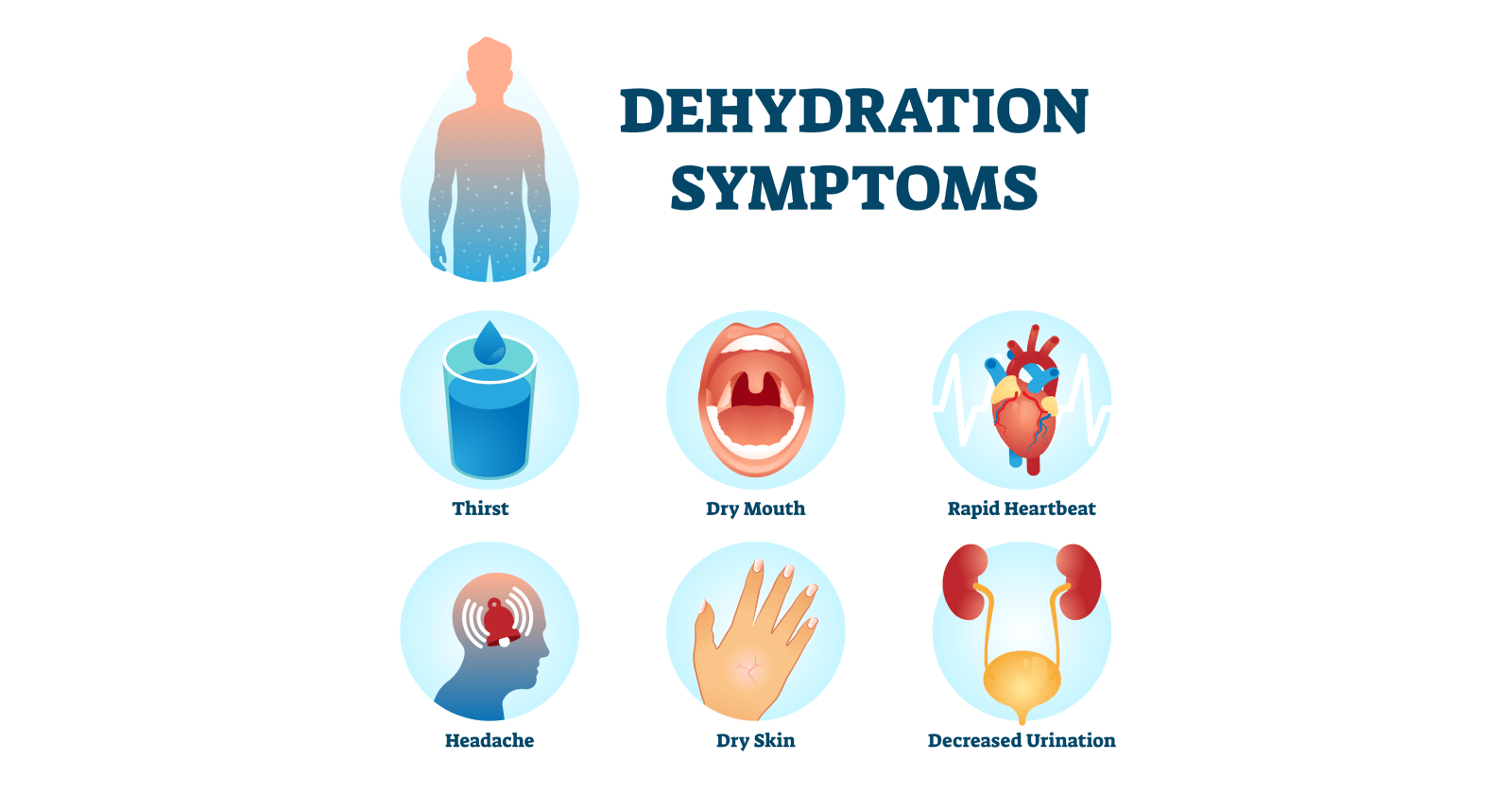
Hot weather means it's especially important to pay attention to both yourself and your baby.
For Mom
Feeling thirsty after breastfeeding can be normal, but symptoms such as significant dizziness, weakness, confusion, fainting or feeling seriously unwell should not simply be blamed on breastfeeding.
Move to a cooler environment, hydrate as appropriate and seek medical assistance if symptoms are severe or do not improve.
For Baby
Pay attention to your baby's usual behaviour, feeding and wet nappies.
If your baby is feeding poorly, producing noticeably fewer wet nappies, unusually sleepy, difficult to wake, very irritable or otherwise appears unwell, contact a healthcare professional promptly.
Do not simply give additional water to an exclusively breastfed baby under six months because you suspect dehydration. Seek professional medical advice so the cause and appropriate treatment can be assessed.
If your baby appears seriously unwell, has difficulty breathing, is difficult to wake, has a seizure or you believe there may be a medical emergency, seek urgent medical attention.
